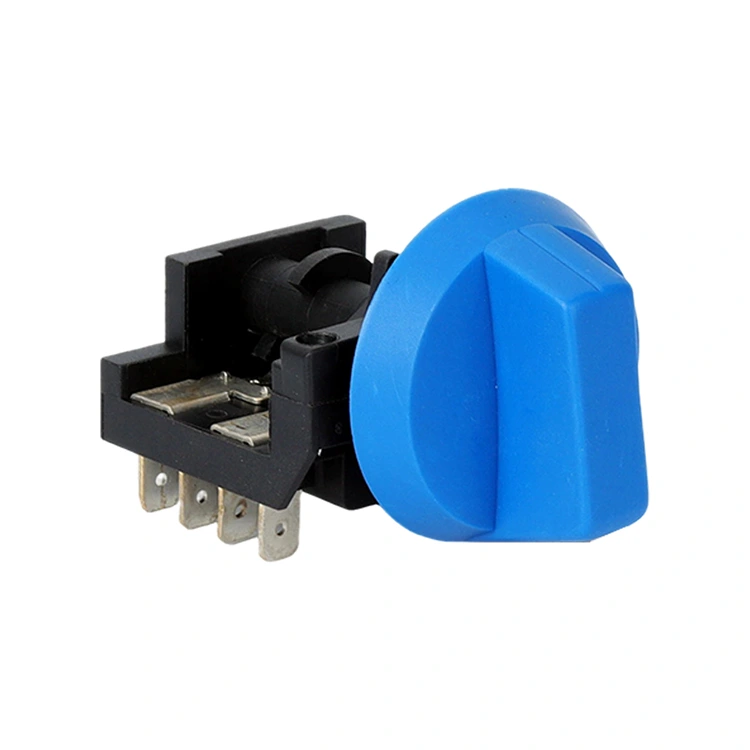
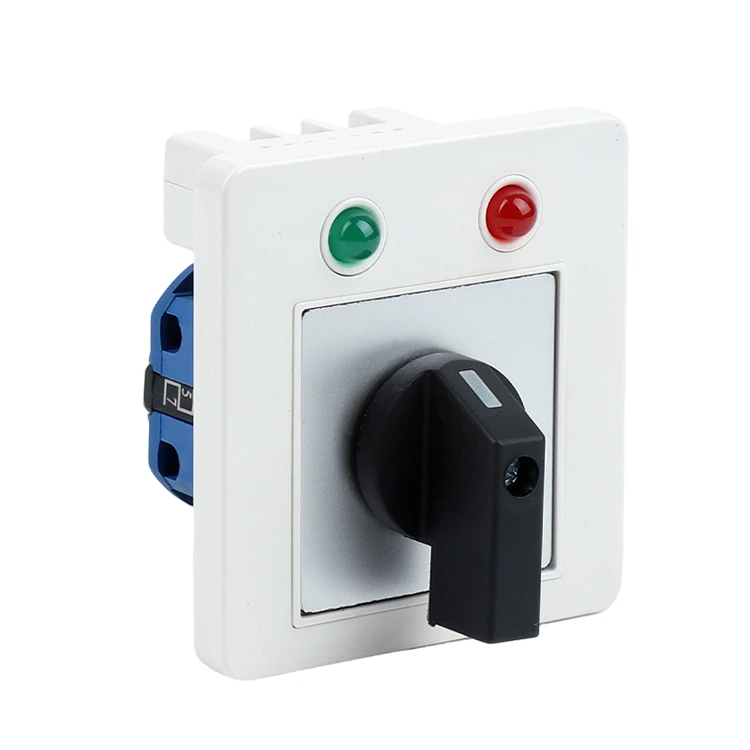
Rotary switches and selector switches are two common types of switches, differing significantly in their operation, structural design, function, and application scenarios.
Operation and Structural Design
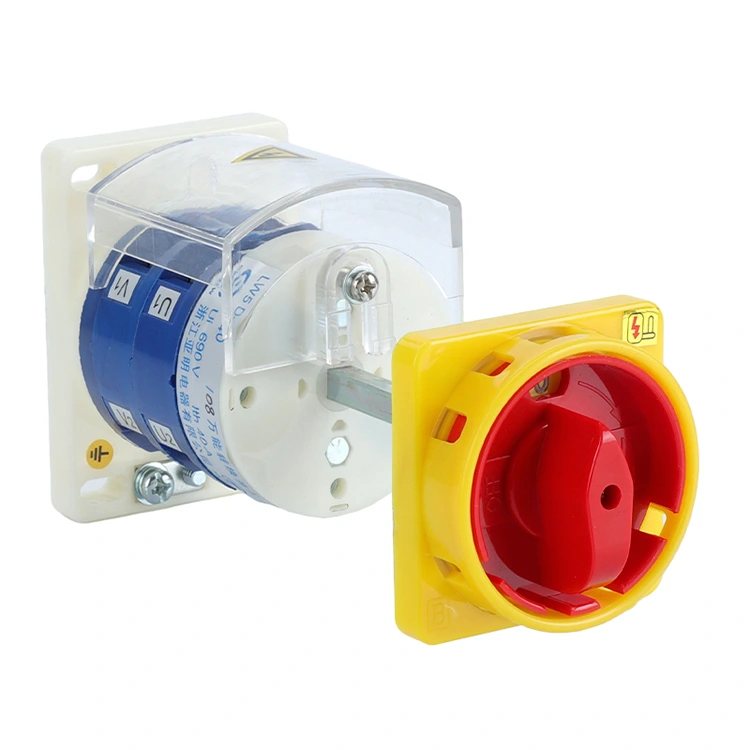
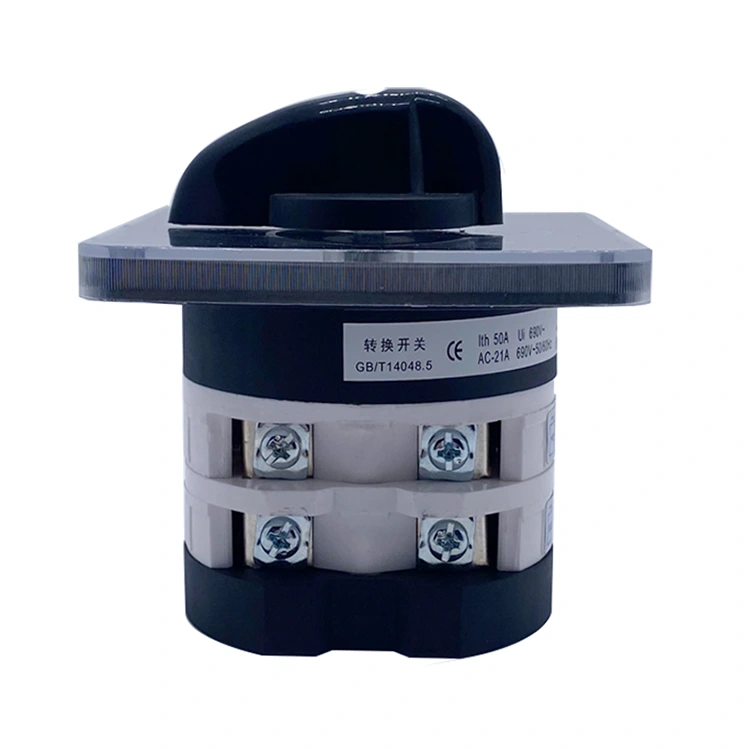
Rotary switches use a knob or dial to switch circuits on/off or toggle between settings. Their structure typically includes multiple contacts and fixed positions, requiring continuous rotation. Selector switches, on the other hand, usually feature a small handle or knob that can be toggled in different directions. The central position is off, and toggling in different directions selects different circuit paths. Their structure emphasizes multi-path selection.
Function and Application
Rotary switches are primarily used to adjust continuous variables (such as volume and temperature) or switch between multiple fixed settings, suitable for scenarios requiring fine adjustment or simple on/off switching. Selector switches' core function is to select different circuit paths or operating modes, commonly found in industrial equipment where power, signal source switching, or multi-device control is required.
Application Scenarios
Rotary switches are widely used in household appliances (such as radios and ovens), audio equipment, and other areas requiring intuitive adjustment. Selector switches are commonly found in environments requiring multiple-way selection or complex control, such as industrial machinery and power systems.
We use cookies to offer you a better browsing experience, analyze site traffic and personalize content. By using this site, you agree to our use of cookies. Privacy Policy