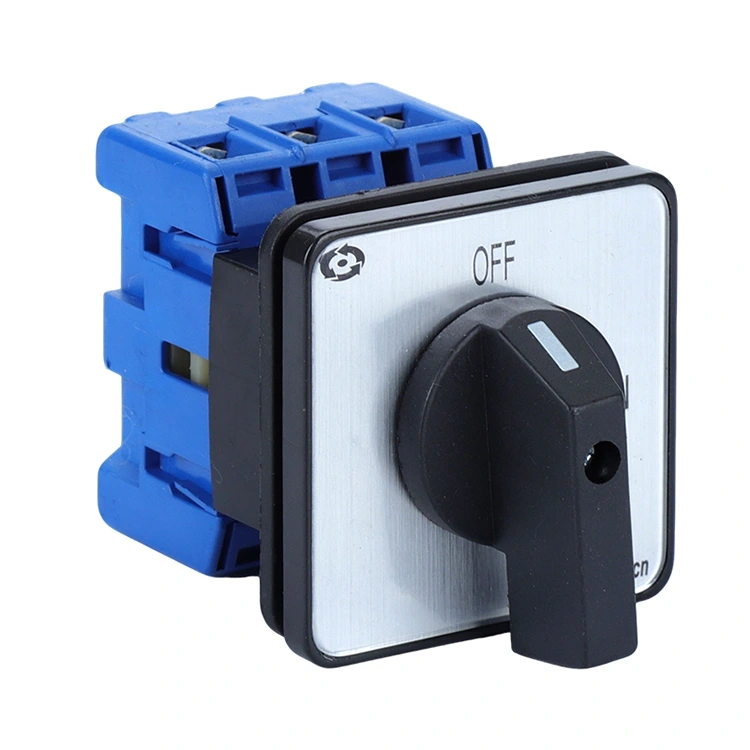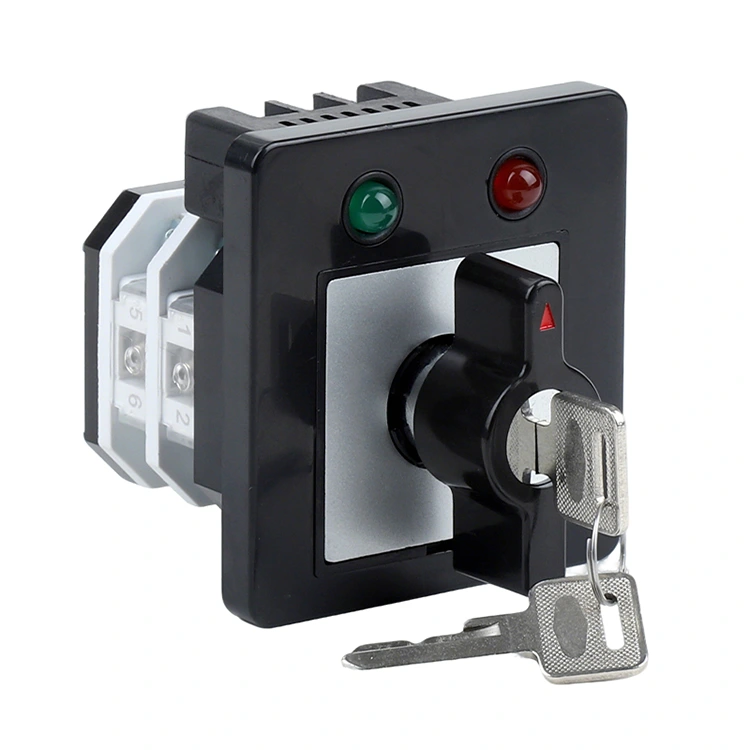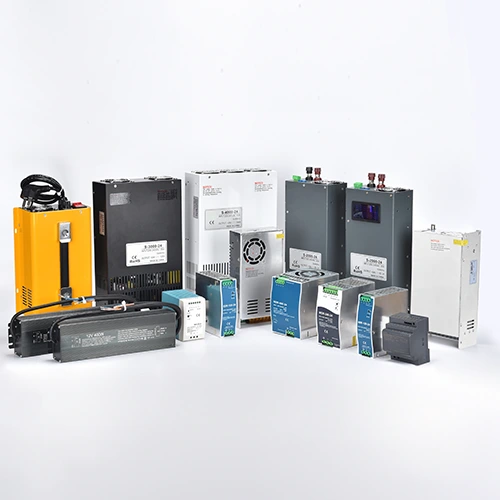

Electrical safety is a critical concern in residential, commercial, and industrial power systems. One essential device used to control and isolate electrical circuits is the Distribution Board Isolator Switch. This blog explains what a distribution board isolator switch is, how it works, why it is important for electrical safety, and how to choose the right model for your application. We will also explore installation practices, technical specifications, benefits, and frequently asked questions. With growing safety standards and energy management requirements, isolator switches have become indispensable components in modern power distribution systems.
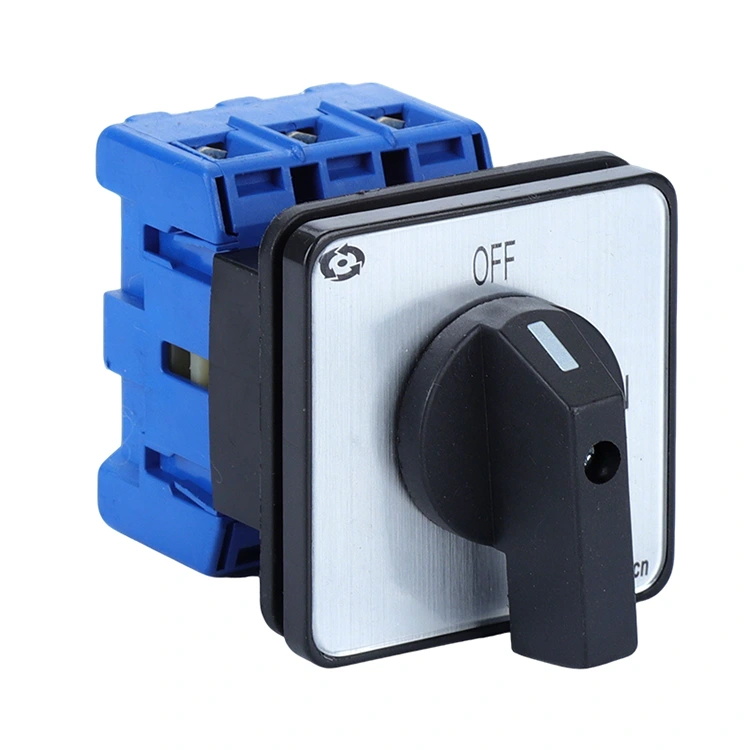
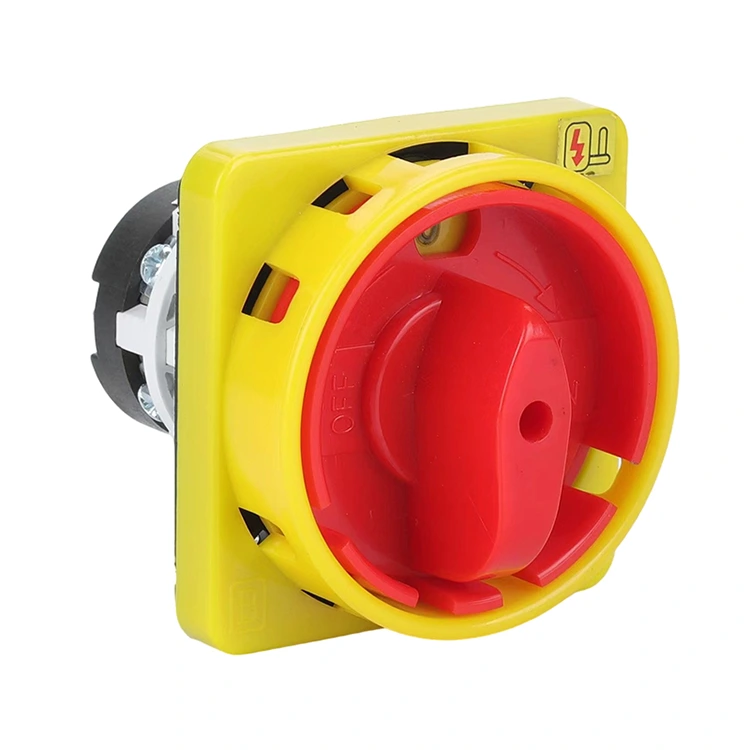
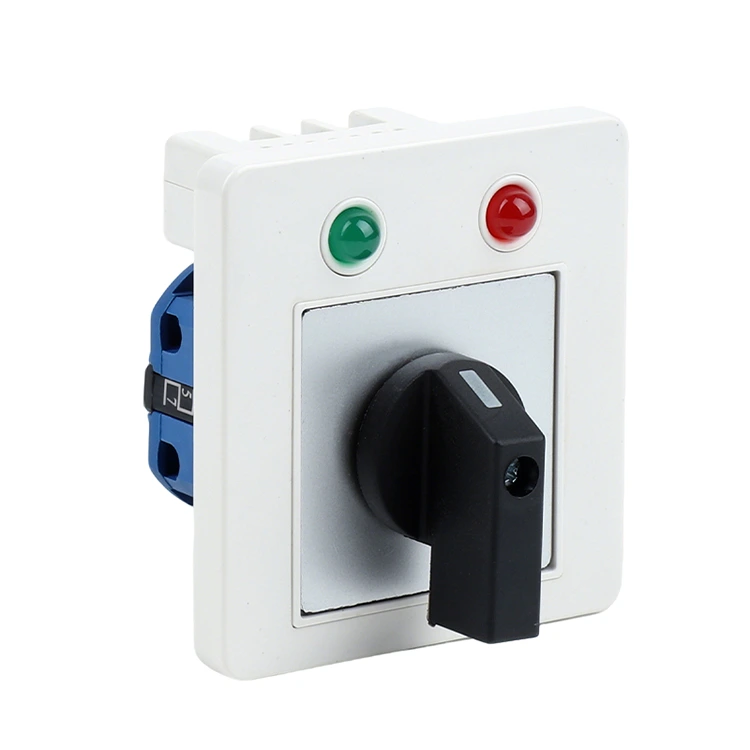
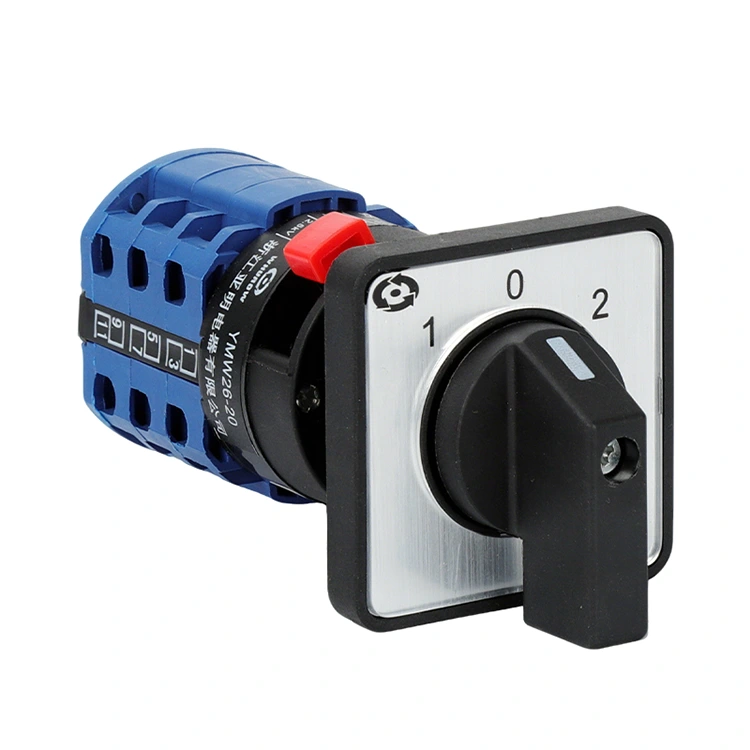
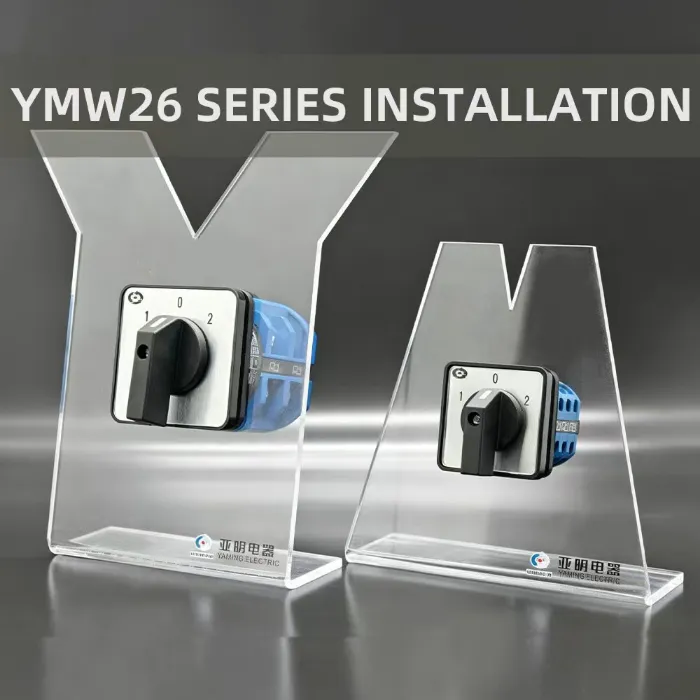
A Distribution Board Isolator Switch is a safety device designed to disconnect electrical circuits from the power supply. It is typically installed in a distribution board to ensure that electrical equipment can be safely isolated during maintenance, inspection, or emergencies.
Unlike circuit breakers that automatically interrupt faults, an isolator switch is manually operated. Its primary function is to provide a clear and visible disconnection point, ensuring that no current flows through the circuit when maintenance is being performed.
In modern electrical installations, distribution board isolator switches are widely used in residential buildings, factories, commercial complexes, and energy distribution systems. Leading manufacturers such as YAMING design high-performance isolator switches to meet strict international safety standards and reliability requirements.
Electrical systems contain numerous circuits and components that must be safely managed. The isolator switch plays a crucial role in protecting technicians, electrical devices, and infrastructure.
Without proper isolation, electrical systems can pose serious risks such as equipment damage, fire hazards, and electrical accidents. This is why modern distribution boards integrate reliable isolator switches as a standard safety feature.
The working principle of a distribution board isolator switch is relatively simple but extremely effective. The device manually connects or disconnects the electrical circuit by opening or closing the conductive contacts.
Because isolator switches are designed for safety rather than fault interruption, they are usually operated when no load current is present. This ensures longer service life and safe operation.
A high-quality distribution board isolator switch consists of several critical components that ensure safe operation and durability.
| Component | Function |
|---|---|
| Switch Handle | Allows manual control of the switching mechanism |
| Fixed Contacts | Conduct electrical current when the switch is closed |
| Moving Contacts | Move to open or close the electrical circuit |
| Insulated Housing | Protects internal components and prevents electric shock |
| Terminal Connectors | Connect incoming and outgoing electrical wires |
Advanced isolator switches manufactured by companies such as YAMING often include enhanced insulation materials and durable contact mechanisms to ensure long-term reliability.
Distribution board isolator switches are available in various designs depending on the application and electrical system requirements.
Each type serves a specific purpose. For example, single-pole isolators are commonly used in residential systems, while three-pole or four-pole switches are typically used in industrial power distribution.
When selecting a distribution board isolator switch, several technical specifications must be considered.
| Specification | Description |
|---|---|
| Rated Current | Maximum current the switch can safely carry |
| Rated Voltage | Maximum operating voltage |
| Number of Poles | Defines how many circuits can be isolated |
| Mechanical Life | Total switching cycles before wear occurs |
| Protection Level | Indicates resistance to dust and moisture |
Selecting the correct specifications ensures optimal performance and long-term reliability in electrical distribution systems.
Distribution board isolator switches are widely used across multiple industries due to their safety and operational benefits.
These applications require reliable electrical isolation to protect both equipment and personnel from electrical hazards.
Using a high-quality distribution board isolator switch offers several advantages in modern electrical systems.
Manufacturers like YAMING focus on producing durable isolator switches designed to meet the evolving needs of modern power systems.
Choosing the correct isolator switch is essential for ensuring safety and operational efficiency.
For example, industrial environments often require heavy-duty isolator switches with higher current ratings and enhanced protection levels.
Proper installation ensures the isolator switch operates safely and effectively.
Correct installation significantly reduces the risk of electrical faults and ensures compliance with safety regulations.
Regular maintenance helps ensure the isolator switch remains reliable throughout its lifespan.
Routine maintenance prevents unexpected system failures and improves the overall safety of electrical installations.
The main purpose is to safely disconnect electrical circuits from the power supply during maintenance or emergencies.
No. Circuit breakers automatically interrupt faults, while isolator switches provide manual circuit isolation for safety.
It is typically installed inside a distribution board or electrical panel to control power supply to specific circuits.
Routine inspections should be performed annually or during scheduled electrical maintenance.
Yes. Many industrial electrical systems rely on high-capacity isolator switches to safely manage power distribution.
The Distribution Board Isolator Switch is a fundamental component of modern electrical systems, ensuring safe power isolation during maintenance and emergency situations. By understanding its working principles, components, and applications, electrical engineers and facility managers can significantly improve safety and reliability within their power distribution networks.
High-quality isolator switches developed by trusted manufacturers such as YAMING are designed to deliver superior performance, durability, and compliance with international electrical standards. Whether used in residential distribution boards or complex industrial installations, choosing the right isolator switch is essential for protecting both equipment and personnel.
If you are looking for reliable electrical switching solutions or want to learn more about professional distribution board isolator switches, feel free to contact us for expert support and customized product recommendations.