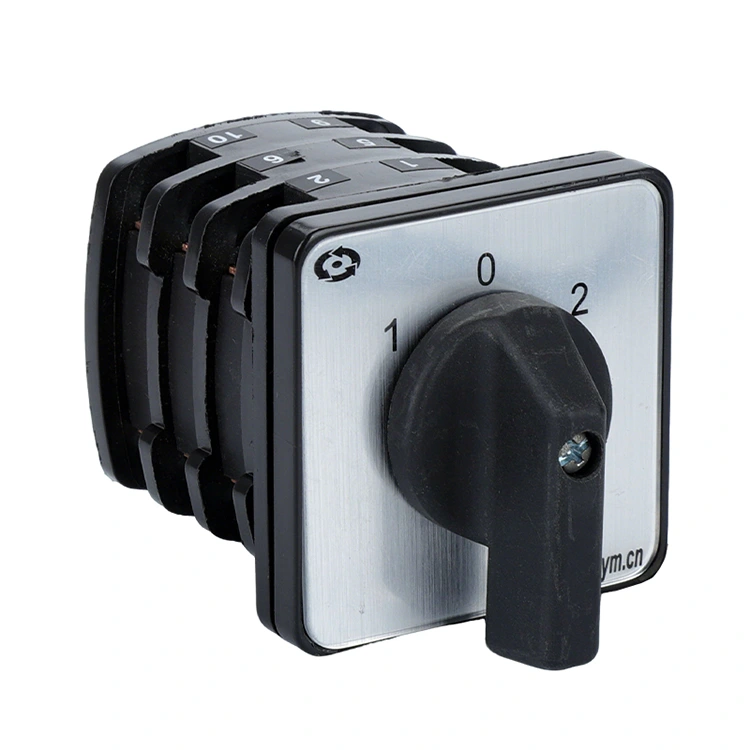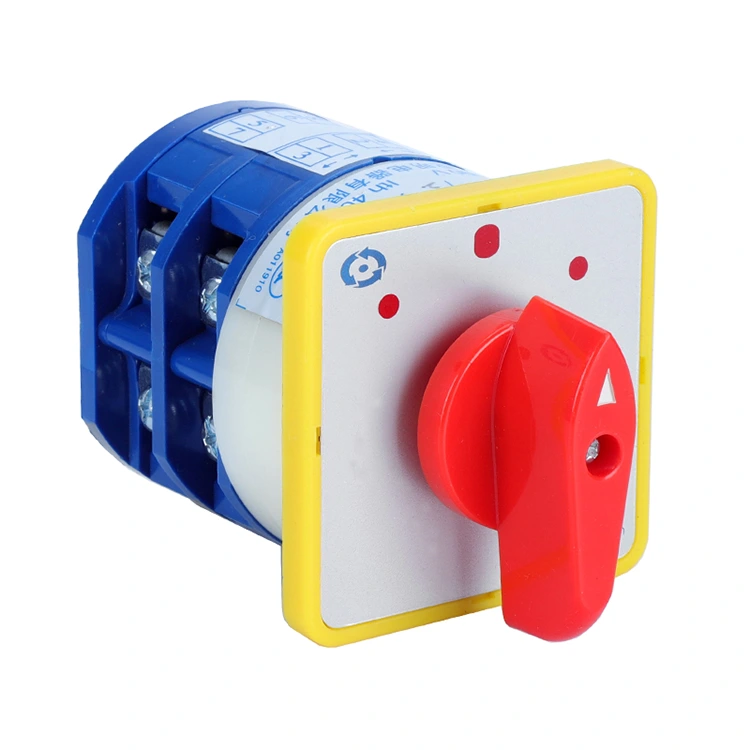

In industrial electrical control systems, the margin for error is zero. A single arc flash, overload, or short circuit can lead to catastrophic downtime, severe injuries, or equipment damage. The integration of a robust Combination Switch into your control system is not just a compliance measure—it is the cornerstone of modern industrial safety. These devices merge a disconnecting means (like a switch) with short-circuit and overload protection (usually fuses or a circuit breaker) into one compact unit. By doing so, they eliminate potential points of failure, reduce installation errors, and provide a rapid response to electrical anomalies.
At Zhejiang Yaming Electric Co.,Ltd., we have dedicated two decades to perfecting this technology. A properly specified Combination Switch does more than just stop current; it isolates energy sources with visible breaks, ensures coordinated protection, and simplifies maintenance protocols. This article dives deep into the technical parameters, real-world safety benefits, and answers the most critical questions about safeguarding your personnel and machinery. Whether you are upgrading a legacy panel or designing a new line, understanding these devices is non-negotiable.
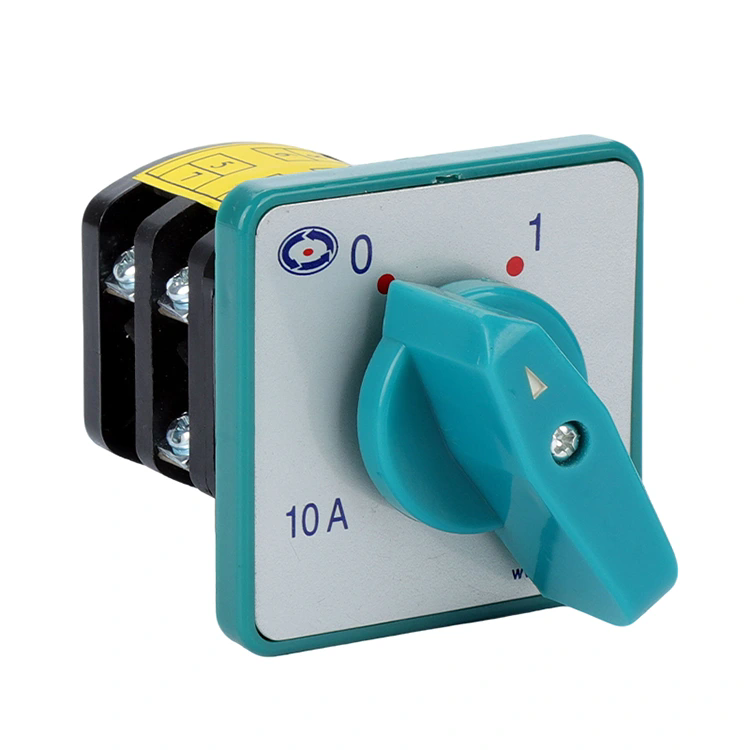
Industrial control systems are densely packed with contactors, relays, and variable frequency drives. The primary safety function of any control circuit is the ability to safely isolate power for maintenance and to interrupt fault currents instantaneously. A Combination Switch serves as the first line of defense. Unlike a simple disconnect switch that may just open contacts, a true Combination Switch integrates both the disconnect and the protective elements. This integration is vital because it guarantees that the opening of the switch also clears any downstream faults, protecting both the operator and the wiring.
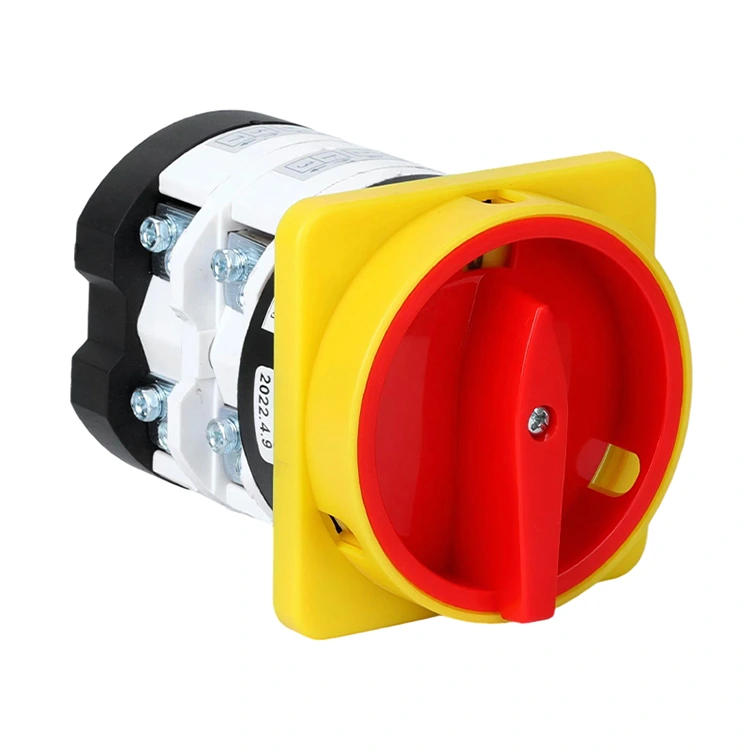
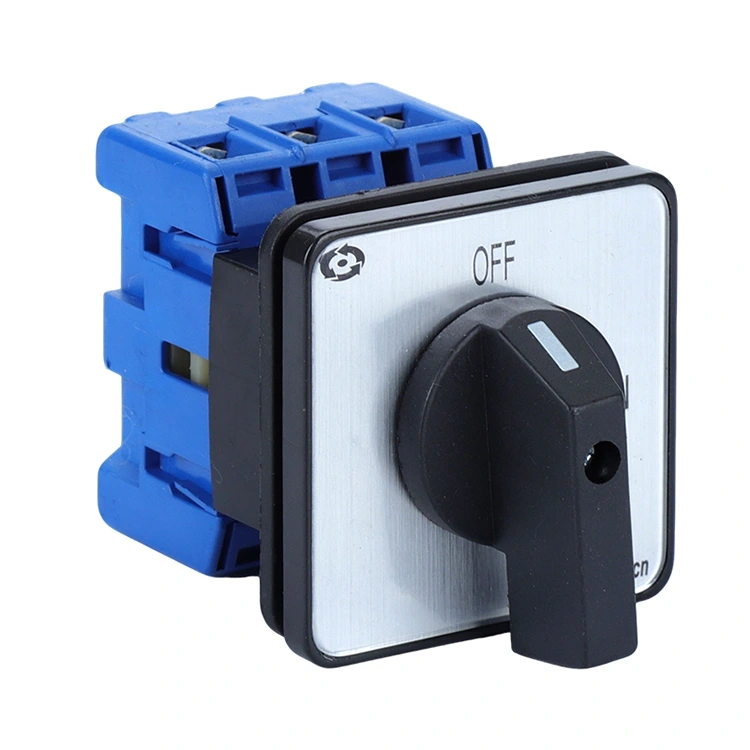
Our factory focuses on a design philosophy where the switch mechanism and the protection chamber are unified. For example, the rotary handle provides a clear visual indication of the contact position—open or closed—and the padlockable handle ensures compliance with lockout/tagout procedures. But beyond mechanical isolation, the speed at which the internal contacts break under fault conditions is measured in milliseconds. Zhejiang Yaming Electric Co.,Ltd. uses double-break silver alloy contacts that quench the arc rapidly, minimizing the energy let-through.
Why does this matter for safety? In a typical plant, vibration and dust can cause arcing in poorly designed switches. Our factory's heavy-duty spring mechanisms ensure that even if the operator moves the handle slowly, the contacts snap open or closed, preventing partial contact that leads to overheating. Furthermore, because the Combination Switch houses the fuses or breaker, the path from the line side to the load side is optimized to reduce loop impedance—this means faster tripping times during a short circuit, directly translating to reduced arc flash incident energy. For maintenance electricians, this is the difference between a minor incident and a life-altering injury.
We also incorporate early-break auxiliary contacts that can signal the PLC or motor controller to shed load before the main contacts open under load. This predictive safety layer is often overlooked but is standard in our higher-rated models. By choosing a Combination Switch from us, you are not just buying a component; you are integrating a safety philosophy that prioritizes human life and system integrity.
Overload protection in a motor circuit is traditionally handled by a separate overload relay. However, in a Combination Switch, the coordination between the switching element and the protection element is pre-engineered. This is critical because mismatched components are a leading cause of nuisance tripping or, worse, failure to trip. When our factory designs a Combination Switch, we match the switch's making and breaking capacity with the time-current curve of the built-in protection. This ensures that during a starting surge (which can be 6-8 times the full load current), the switch remains closed, but during a locked rotor event, it opens precisely before the motor insulation melts.
Let's look at the technical specifications that define this reliability:
| Model Series (YMD1-32) | Rated Operational Voltage Ue: up to 690V AC | Rated Insulation Voltage Ui: 800V |
| Protection type | Fuse-integrated (aM / gG) or thermal-magnetic release (depending on configuration) | |
| Conditional short-circuit current rating | 50 kA at 415V (with associated fuses) – this limits the damage under fault | |
| Mechanical endurance | 0.3 million operations (minimum) – tested in our factory under load | |
| Pollution degree | 3 (industrial environment), with creepage distances optimized for humid/salty conditions | |
The architecture also dictates how heat is dissipated. In our Combination Switch designs, the current path is crafted from high-grade electrolytic copper, tinned to prevent oxidation. This reduces the temperature rise at the terminals—a common failure point in cheaper units. Our factory's strict quality control measures include thermographic imaging on every batch to ensure hotspots are eliminated. For the end-user, this means the switch operates coolly, preserving the lifespan of adjacent electronic components in the control panel.
Additionally, the internal interlock mechanism prevents the enclosure door from being opened when the switch is in the 'ON' position. This is a mechanical safety feature that ensures an operator cannot access live parts. The interlock can only be released in the OFF position, often requiring a tool or a specific action. This level of thought in the internal architecture transforms a simple switch into a comprehensive safety device. We've seen too many incidents where panels were opened under load; our design philosophy directly addresses that.
Arc flash is one of the deadliest hazards in industrial electrical work. It occurs when ionization creates a conductive path through the air, releasing immense energy. A Combination Switch mitigates this in three distinct ways: rapid contact separation, arc quenching chambers, and full isolation. In our factory, we design the arc chambers with De-ion plates that split and cool the plasma. This confines the arc inside the switch rather than letting it explode into the panel. The result is a significant reduction in the incident energy available to a worker standing in front of the panel.
Moreover, the visible break that a Combination Switch provides is a psychological and physical safety layer. When the handle indicates 'OFF', there is a physical gap between the contacts that can be seen through inspection windows (available as an option). This satisfies the strictest lockout/tagout regulations because it removes any doubt about power isolation. WHUROW takes this further by offering switches with a dual-chamber design: one for the switching mechanism and one for the fuse terminals. Even if a fuse blows catastrophically, the ionized gases are vented away from the operator, a feature we call 'gas-directed venting'.
The reduction of shock hazards also comes from the insulation coordination. Our factory uses materials with a Comparative Tracking Index (CTI) of over 600, which resists the formation of conductive paths across the surface. In dusty or humid environments (like textile mills or food processing), this prevents tracking that could energize the enclosure. Furthermore, by combining the disconnect and protection, we eliminate the need for an extra enclosure between a separate switch and a separate fuse holder. Fewer connections mean fewer points where a wire can come loose and cause a fault. This holistic approach to safety is why engineers across heavy industries specify our equipment. We don't just sell a product; we provide a risk mitigation solution that protects your most valuable assets: your people.
Throughout this analysis, one truth remains evident: the Combination Switch is far more than a simple on-off device. It is an engineered safety system that isolates, protects, and communicates. From ensuring a visible air gap for lockout procedures to quenching 50kA faults without external damage, its contribution to a safe workplace is immense. By choosing a device that integrates both switching and protection, you eliminate variables and reduce the likelihood of human error during installation and operation.
At WHUROW, our decades of specialization mean that every unit leaving our factory is a testament to rigorous testing and innovation. We understand that your control systems are the heartbeat of your operation, and they deserve components that perform under pressure. Whether you require a specific IP rating, a custom interlock, or a particular fuse configuration, our engineering team is equipped to support you. Don't leave safety to chance—build it into your system from the start.
Enhance your electrical safety protocols today
Contact our team at Zhejiang Yaming Electric Co.,Ltd. for detailed specifications, CAD drawings, or a free consultation on selecting the right Combination Switch for your application. Let's build safer industrial systems together.
Request a Quote or CatalogOur factory representatives typically respond within 4 business hours.